
A good Daly City playground can change the shape of an ordinary afternoon. When kids have room to climb, crawl, imagine, and move their bodies, they head home happier and more settled. For parents and caregivers, the right play space also means knowing the environment is clean, comfortable, and designed with children’s safety in mind.
Daly City families have plenty to balance: school schedules, changing coastal weather, errands, playdates, and the very real need for children to burn off energy. Finding a place that works for your child’s age and your family’s routine is less about picking the biggest structure and more about choosing a setting where everyone can enjoy the visit.
What Families Need From a Daly City Playground
Children do not all play the same way. A confident 9-year-old may head straight for climbing equipment, while a toddler may be happiest with soft surfaces, smaller slides, and space to explore at their own pace. A playground works best when it recognizes those differences instead of expecting every child to fit into one play area.
For families with children of different ages, separation matters. Younger children need a dedicated space where they are less likely to be bumped by bigger, faster kids. Older children still need enough challenge to stay engaged. Age-appropriate design gives children room to build confidence without putting them in situations that feel too overwhelming.
Parents also need a place where they can keep a clear eye on their child. Whether you are actively playing alongside a little one or supervising an older child from nearby, visibility makes a difference. It helps adults step in when needed and gives children the freedom to practice independence within reasonable boundaries.
Outdoor Play Is Wonderful, but Weather Changes the Plan
Daly City’s parks and outdoor spaces are valuable places for families to spend time together. Fresh air, open space, and unstructured play all have a place in a child’s week. Still, anyone who has packed up snacks, jackets, and excited children only to meet wind, fog, or rain understands why an outdoor outing does not always work out.
An indoor playground offers a dependable alternative when the weather is chilly, wet, or simply unpredictable. Climate-controlled play means children can run, climb, and socialize without adults having to negotiate cold hands, muddy shoes, or a sudden change of plans. That reliability is especially helpful during school breaks, weekends, and those long afternoons when everyone needs to get out of the house.
Indoor play is not a replacement for every park visit. It is another useful option for the days when your family needs an activity that is ready when you are. The best choice depends on your child, the weather, and how much time you have.
Look for active play with a purpose
Kids are not just passing time when they play. Climbing supports coordination and strength. Navigating obstacles encourages problem-solving. Pretend play helps children try out social roles, language, and ideas. Even the simple work of taking turns can help a child practice patience and cooperation.
That does not mean every visit needs to feel like a lesson. Children learn most naturally when play is enjoyable. A well-planned playground gives them choices: active challenges for energetic kids, imaginative areas for creative play, and comfortable spaces for young children who need to explore more slowly.
Safety and Cleanliness Should Feel Visible
Parents should not have to guess whether a play environment is cared for. A family-friendly venue should make safety part of the experience, from the layout of the space to the way staff supervise and maintain it.
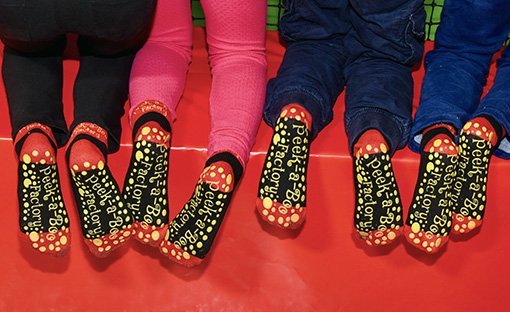
Start by noticing the condition of the play areas. Clean surfaces, well-kept equipment, clear walkways, and organized entrances all signal that a facility takes its responsibilities seriously. It is also reasonable to ask about cleaning routines, rules for illness, socks, food areas, and how staff handle crowded play periods. These details matter because children are hands-on explorers.
Supervision is equally important, although it can mean different things in different settings. Staff oversight helps maintain a positive, orderly environment, while parents and caregivers remain the people who know their own child best. The strongest arrangement is one where adults can stay present, children can play freely, and clear expectations help everyone share the space respectfully.
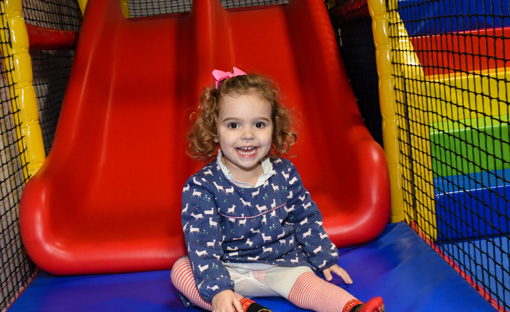
For toddlers, soft-play features and a separate area can provide added peace of mind. Toddlers are still building balance, awareness, and confidence. They deserve a place where exploration feels exciting rather than intimidating.
Make the Visit Easier on Yourself
The most enjoyable family outings are often the ones with the fewest surprises. Before heading to a playground, think through the practical pieces: your child’s nap schedule, snack needs, footwear, travel time, and whether a busy period might be difficult for them.
If your child is new to group play, a quieter weekday visit may feel more comfortable than a packed weekend. If they are eager to make friends and move nonstop, a livelier play session may be exactly what they need. There is no single right way to use a playground. A good play venue gives families options.
Bring water, follow the facility’s clothing and sock guidelines, and set a simple expectation before you arrive. A quick reminder such as, “We use gentle hands, take turns, and stay where I can see you,” can go a long way. Young children respond well when the rules are clear, brief, and repeated with kindness.
It also helps to plan the exit before the fun begins. Letting children know they will get a five-minute reminder makes transitions easier. They may still be disappointed to leave, but a familiar routine helps them learn that playtime has a beginning and an end.
Playdates That Work for Children and Adults
Playdates can be a bright spot in a busy week, especially when they do not require one family to clean the house, prepare activities, and manage the aftermath. A playground provides a shared destination where children can play together and adults can connect nearby.
For younger children, parallel play is completely normal. They may play beside another child rather than directly with them, and that still builds comfort around peers. Older children may create games, negotiate rules, and test their teamwork. These small interactions help children develop social skills that grow over time.
A short playdate is often enough. An hour or two in an engaging environment can give children meaningful active time without pushing them past their limits. For parents, it can be a practical way to keep friendships going while meeting children’s need for movement.
A Better Way to Plan a Birthday Party
Birthday parties are joyful, but hosting at home can turn a special day into a long list of jobs. There are decorations to organize, food to prepare, activities to lead, cleanup to handle, and the challenge of keeping a group of excited children engaged.
An indoor playground party gives children a built-in activity from the moment they arrive. Rather than asking parents to invent entertainment, the venue provides a space designed for active fun. It can also make the day feel easier for guests, particularly families with children of different energy levels or ages.
When comparing party locations, consider more than the package details. Ask whether there is a dedicated party area, how the schedule is structured, what supervision is available, and whether the environment is clean and comfortable for children and adults. The goal is not a flawless event. It is a celebration where the birthday child feels special and the grown-ups can be present for the memories.
Choosing an Indoor Play Space You Can Return To
The best local play spaces become part of a family’s routine. They are the places you consider when rain changes the weekend plan, school is out, a playdate needs a destination, or your child has been cooped up indoors too long.
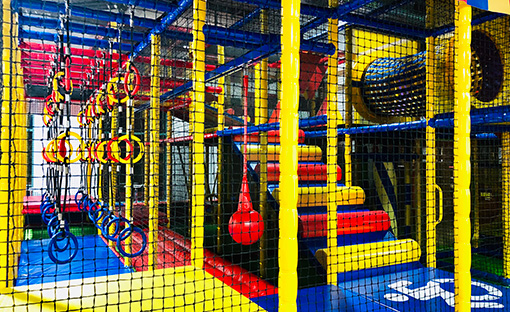
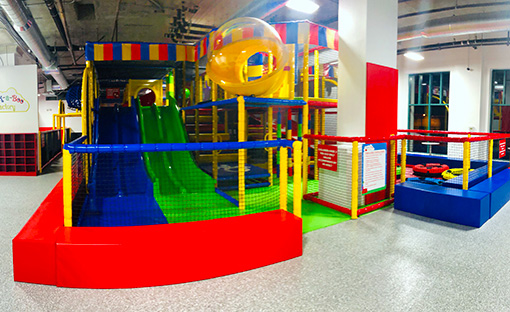
At Peek-a-Boo Factory, families can find a safe, clean, supervised, climate-controlled environment where children up to age 12 can exercise, socialize, learn, and explore. A dedicated toddler area for children age three and under helps little ones play at a pace that feels right for them, while older children have room for active fun.
A reliable Daly City playground is not only about keeping children busy. It is about giving them a welcoming place to move, imagine, make friends, and grow – while giving the adults who care for them a little more confidence in the day.