Indoor Play Versus Outdoor Parks for Families

Indoor Play Versus Outdoor Parks for Families

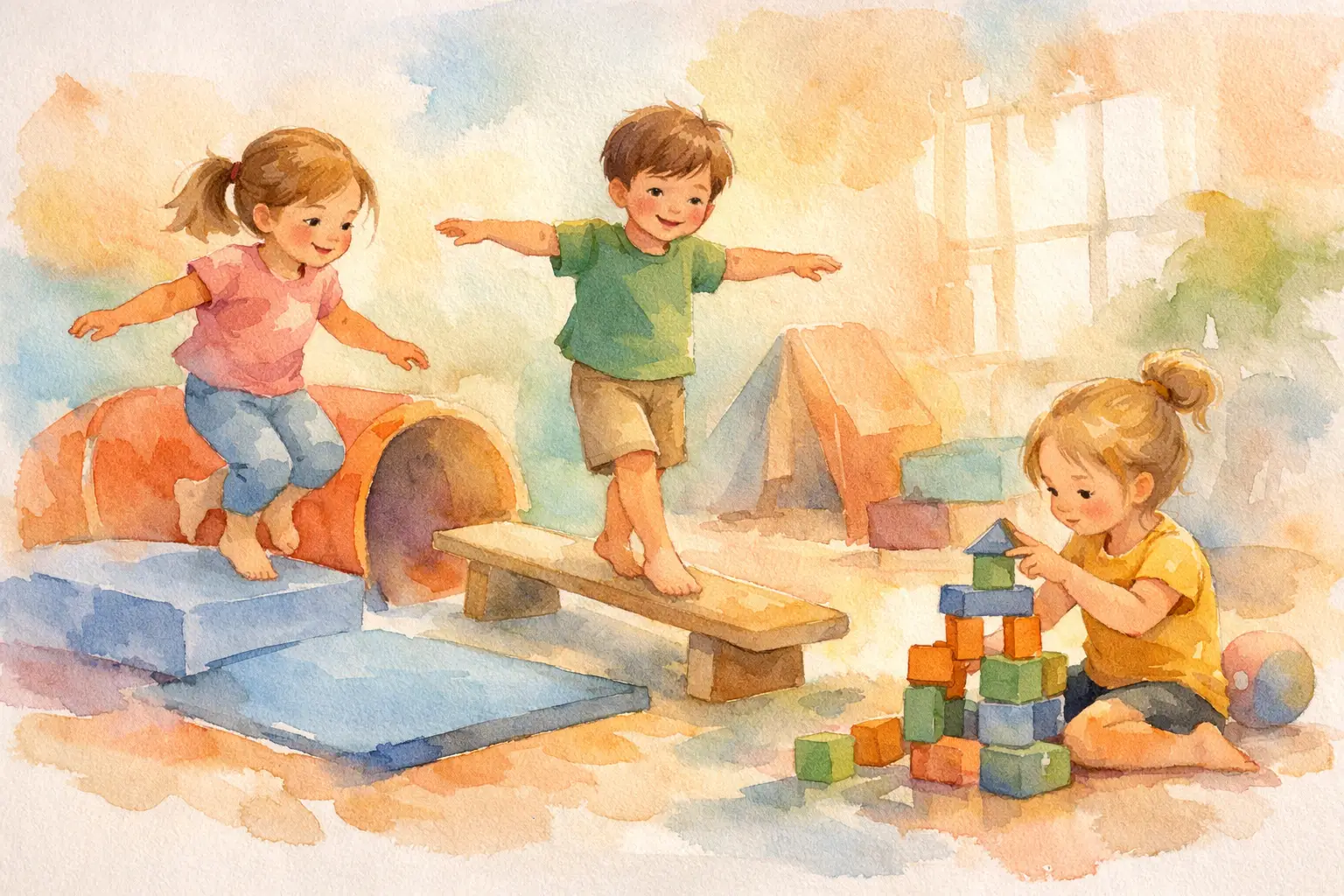
A sunny afternoon at the park can be exactly what a child needs: room to run, fresh air, and a chance to watch the world move around them. But when the wind picks up, the playground is crowded, the equipment is wet, or one child needs a quieter place to play, the plan can change quickly. Indoor play versus outdoor parks is not a contest with one winner. It is a practical family choice shaped by your child’s age, energy, needs, and the kind of day you are having.

Both settings give children valuable chances to move, explore, and connect. The goal is not to choose one forever. It is to recognize what each experience does well, then choose the setting that helps your family have a safe, enjoyable outing.

Indoor Play Versus Outdoor Parks: The Everyday Difference

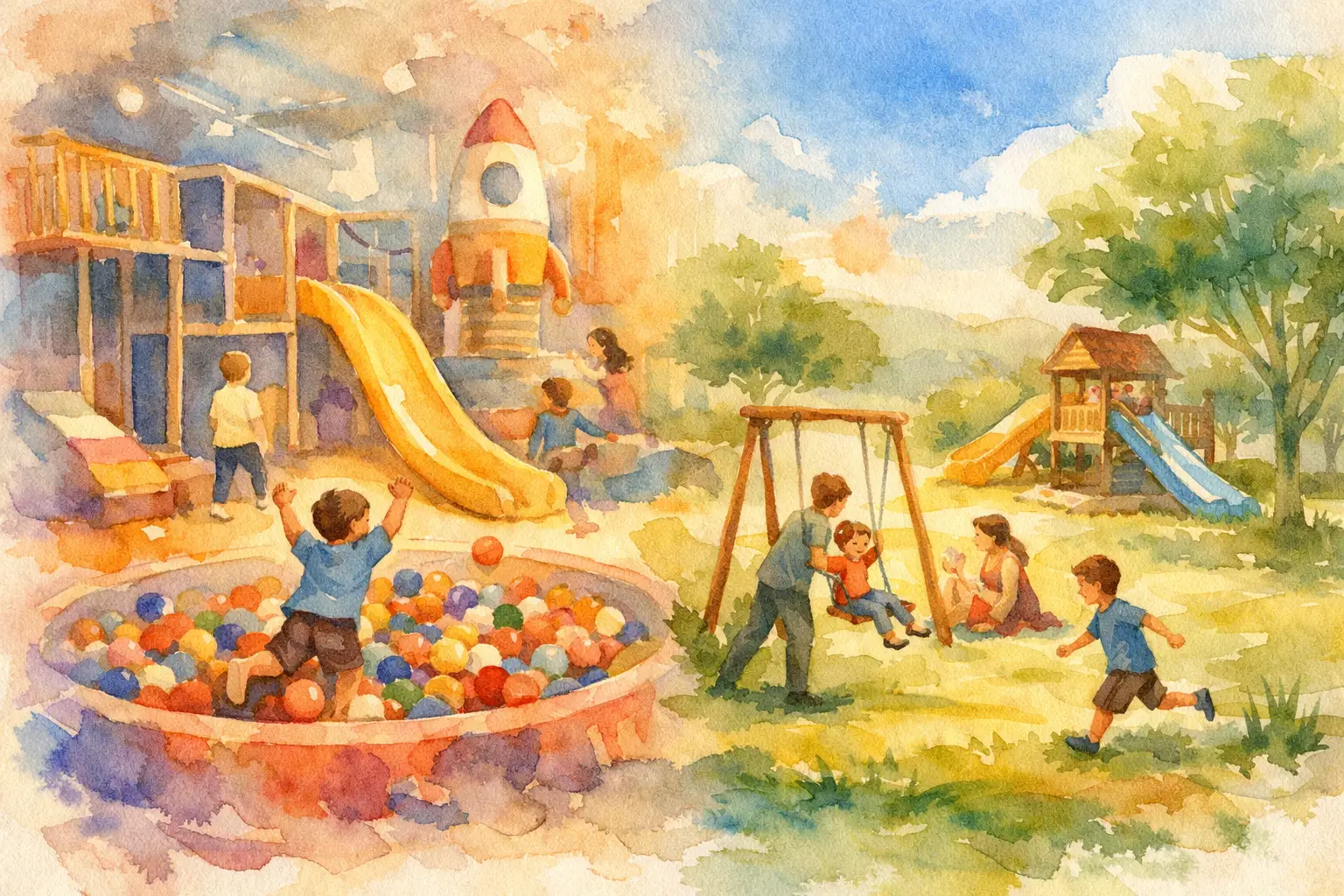
Outdoor parks offer open space that is difficult to duplicate indoors. Children can sprint across a field, climb larger structures, ride scooters, look for birds, and experience changing seasons. For kids who have spent much of the day inside, that fresh-air reset can feel especially good. A neighborhood park can also be a simple, low-cost way to meet friends or turn an ordinary afternoon into an adventure.

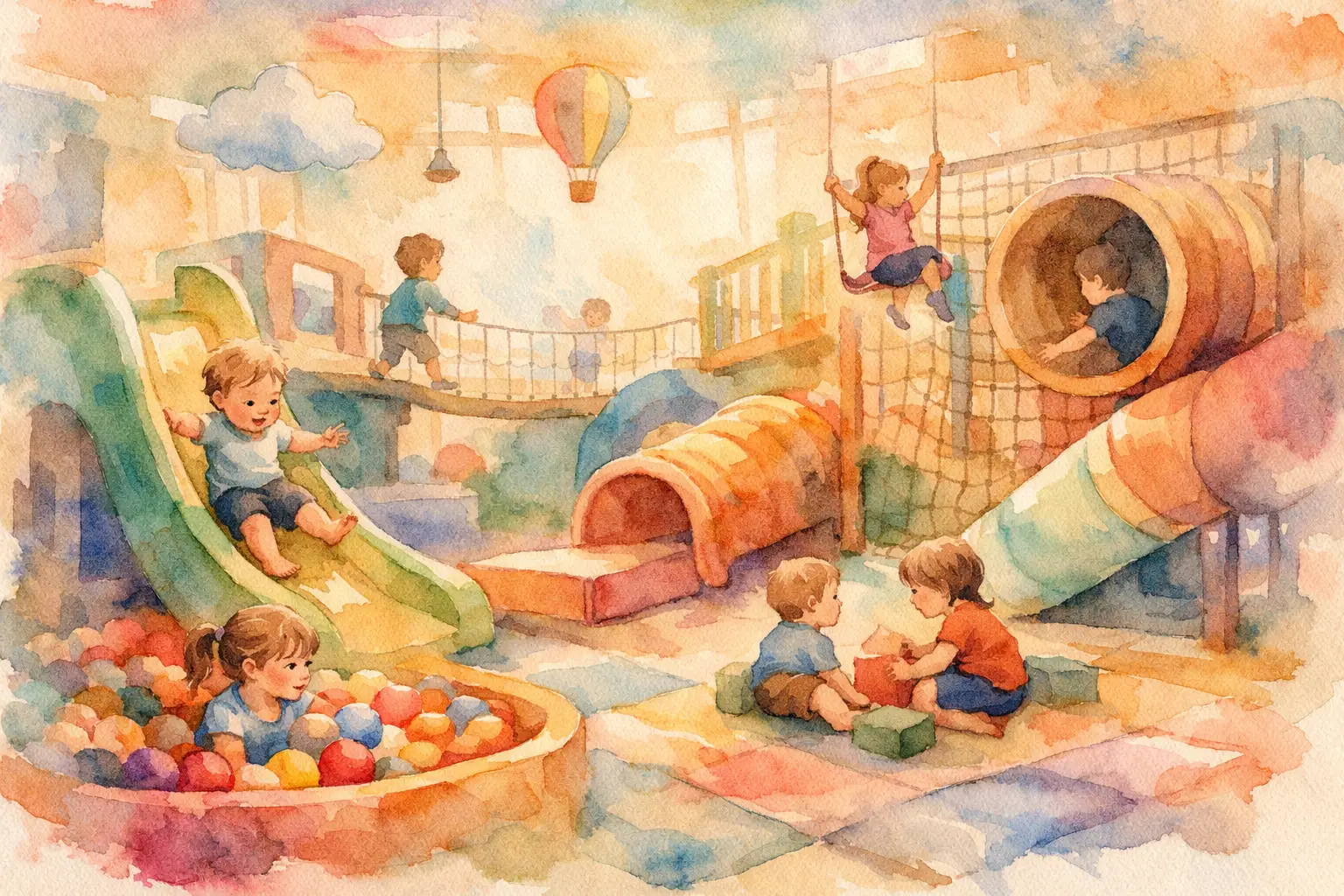
Indoor play centers offer a different kind of freedom. They are designed specifically for children to move, climb, slide, imagine, and play with others in a contained setting. For parents and caregivers, a climate-controlled space can remove many of the variables that make outdoor plans uncertain. There is no need to check whether the slide is too hot, whether rain is moving in, or whether everyone has enough layers for a chilly Bay Area afternoon.

The best option often depends on what you need most that day. If your child wants to kick a ball across a wide field, a park may be the right fit. If you need dependable active play before dinner, a comfortable place to meet another family, or a weather-proof plan during school break, indoor play may make more sense.

Weather Should Not Decide Whether Kids Get to Move

Northern California families can see several seasons in a single week. A park visit may start pleasantly and end with strong sun, gusty wind, unexpected rain, or cold temperatures that make younger children miserable. Even when the forecast looks fine, wet surfaces, muddy paths, and standing water can limit how much children can safely use the equipment.

Indoor play gives families a reliable alternative when the weather is working against them. Children can still burn energy and practice big-body movement in a comfortable environment, while adults can supervise without standing in the rain or searching for shade. This consistency is particularly helpful for parents planning playdates, weekend activities, or a special outing with limited free time.

That does not make outdoor time less valuable. Fresh air and nature-based exploration belong in a child’s routine whenever conditions allow. Indoor options simply make it easier to protect the habit of active play on days when a park is not practical.

Safety Looks Different in Each Setting

Every play environment carries some risk, and active children will have bumps and tumbles as they learn what their bodies can do. The question for parents is whether a space is appropriate for their child’s stage of development and whether they can supervise comfortably.

At an outdoor park, families may encounter equipment built for a wide range of ages, uneven ground, busy bike paths, dogs, and children playing at very different speeds. Many public parks are wonderful community spaces, but conditions can vary from visit to visit. Parents may need to inspect the area, watch for hot metal or plastic surfaces, and keep younger children close when bigger kids are using the same equipment.

A purpose-built indoor playground can make supervision more manageable. Clear play zones, age-appropriate equipment, and an enclosed environment help caregivers keep track of children while they explore. A dedicated area for toddlers age three and under is especially meaningful. Younger children can practice climbing, balancing, and social play without having to compete with the size and speed of older kids.

Cleanliness matters here as well. Parks are exposed to weather, animals, and constant public use, and families cannot always tell when equipment was last cleaned. Indoor venues have a responsibility to maintain clean play areas and established safety standards so parents can focus more on their children’s experience.

Different Ages Need Different Kinds of Play

A preschooler and a 10-year-old may both say they want to go play, but they usually mean very different things. Toddlers often benefit from lower climbing features, soft surfaces, and room to repeat a new skill until they feel confident. They are also still learning how to share space, wait for a turn, and handle excitement around unfamiliar children.

Older children may seek challenge, speed, and more independent play. Parks can be great for this, particularly when there is a large structure, open field, or court available. Yet a well-designed indoor play space can also give older children opportunities to climb, move, create games, and interact with peers in ways that hold their attention.

For families with siblings, the question is often less about indoor or outdoor play and more about whether everyone has a place that fits. An outing works better when the youngest child is not overwhelmed and the oldest child is not bored. Look for settings with separate age considerations, enough activity variety, and room for caregivers to stay involved.

Social Play Is More Than Taking Turns on a Slide

Both parks and indoor playgrounds can help children build social confidence. At a park, children may join a pickup game, negotiate turns on the swings, or start a conversation over a shared interest in a bug or a big truck passing by. These spontaneous interactions are part of what makes public outdoor spaces special.

Indoor play can make social connection easier to plan. Families can arrange a playdate knowing the space will be available regardless of weather, and children have shared activities that naturally create interaction. Climbing together, pretending in a play area, or deciding which route to take through a structure gives children low-pressure ways to practice cooperation, communication, and problem-solving.

Caregivers benefit from this too. A comfortable, supervised environment gives adults room to talk with friends, meet other local parents, or actively play alongside their child. For children who are slow to warm up, having a familiar adult nearby can make joining the fun feel less overwhelming.

Convenience Matters, and That Is Okay

Parents do not need to feel guilty for considering logistics. A great outing is one your family can realistically enjoy. Outdoor parks may require sunscreen, water, snacks, extra clothes, bathroom planning, and a backup plan if conditions change. Those preparations can be worthwhile, especially for a longer outdoor day.

Indoor play often reduces the setup. Climate control means fewer weather-related wardrobe changes. Restrooms and seating are generally nearby. Families can plan around nap schedules, after-school time, or a short window between errands with more confidence. For birthday celebrations, an organized venue can also spare parents the work of cleaning the house, managing activities, and worrying about a sudden change in weather.

Convenience is not the opposite of meaningful play. When an outing is easier to manage, families may be more likely to make active, social play a regular part of the week.

A Simple Way to Choose for Today

Before leaving home, consider your child’s current needs rather than relying on a fixed rule. Are they looking for wide-open running space, or do they need a predictable place to climb and play? Is the weather comfortable? Will a toddler be sharing the outing with older siblings? Do you have time for a longer park visit, or would a contained play session fit the day better?

Outdoor parks are often the right choice for fresh air, nature, and unstructured exploration. Indoor play is often the right choice for dependable movement, age-appropriate play zones, clean surroundings, and comfortable supervision. Many families get the most value from both.

At Peek-a-Boo Factory, families can count on a safe, clean, climate-controlled place where children can move, learn, and make new connections together. Keep both options in your family’s routine, and let the day’s weather, energy, and needs point you toward the kind of play that will bring the most smiles.

Party Venue Versus Home Cleanup: What Parents Save

Party Venue Versus Home Cleanup: What Parents Save

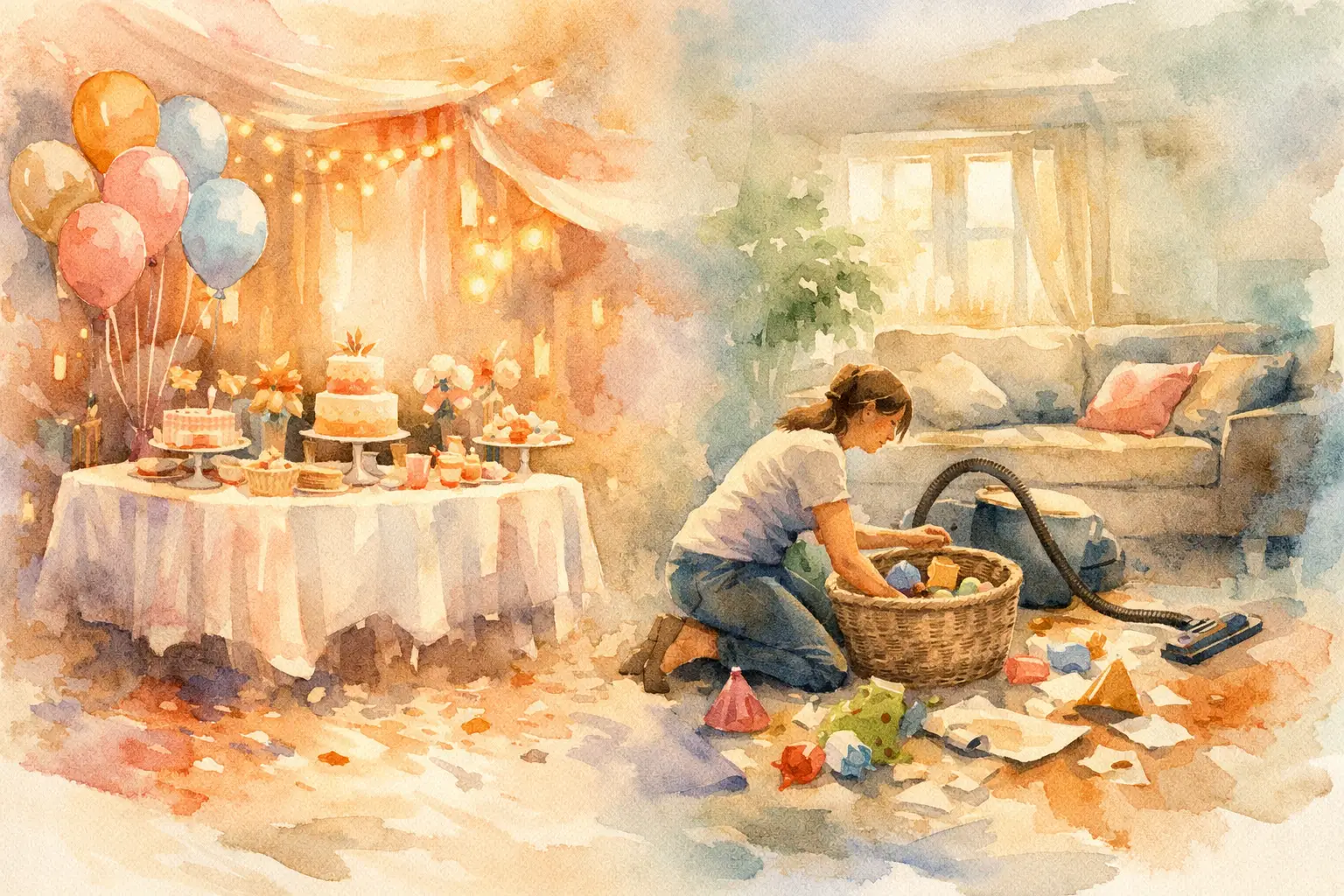
A child’s birthday can be full of happy noise, cake-smudged smiles, and the kind of excitement that makes the whole house feel alive. But when parents compare party venue versus home cleanup, the decision often comes down to what happens after the last guest leaves. At home, the celebration may end at 4 p.m., but the work can stretch into the evening – or the next morning.

A children’s party venue is not the right fit for every family. A cozy gathering with grandparents, a few close friends, and a homemade meal may feel exactly right at home. For families planning an active party with classmates, cousins, or energetic siblings, though, a purpose-built indoor play space can replace a long cleanup list with more time to enjoy the day.

Party Venue Versus Home Cleanup: The Real Difference

The biggest difference is not simply who picks up the plates. It is where the activity happens and how much of your own space is affected by it.

At a home party, parents prepare rooms before guests arrive, move breakable items, make space for food, and decide where children can play. During the party, they may be welcoming families at the door, refilling drinks, helping with games, and watching children move from room to room. Afterward, they are often handling crumbs, spills, decorations, gift wrap, party favors, and a house that needs to return to normal.

At a party venue, the play, movement, and celebration take place in an environment designed for children. Parents can still be present, take photos, and join in the fun, but the everyday family spaces at home stay protected from the busiest part of the celebration.

For many families, that matters most when the guest list includes children who are ready to run, climb, explore, and play together. Kids need room to be kids. A well-planned indoor venue gives them an appropriate place to use that energy without turning the living room into an obstacle course.

What Home Cleanup Really Includes

Home parties can be meaningful and personal, but cleanup begins long before the first guest arrives. Preparing a home usually means more than setting out snacks and hanging a banner. Parents may need to vacuum, clear counters, clean bathrooms, arrange seating, create a play area, and make sure older children’s belongings are out of reach.

Then there is the reset after the party. Food and frosting tend to travel. So do tiny pieces of wrapping paper, confetti, sticker backs, and craft supplies. A few children can leave a manageable mess. A larger group can create a full-house project.

The work may include:

  • Cleaning floors, tables, bathrooms, and high-touch surfaces
  • Sorting gifts, leftover food, decorations, and party supplies
  • Taking out trash and recycling before it overflows
  • Rearranging furniture and putting everyday belongings back
  • Checking for forgotten jackets, water bottles, shoes, and toys

None of this means a home party is a bad choice. Some parents enjoy hosting, especially when they have plenty of space and a small guest list. The key is being honest about the time and energy required before committing.

The Mess Is Often Only Part of the Stress

Cleanup is visible, but it is not the only consideration. Hosting at home can also mean managing the flow of children through hallways, bedrooms, kitchens, and outdoor areas. Parents may be thinking about gates, stairs, pets, parking, noise, or whether the weather will cooperate for backyard games.

That mental load can make it harder to be fully present for birthday moments. When adults are constantly checking the next task, they may miss the spontaneous parts of the day: a child proudly showing a friend a drawing, a group laugh during a game, or the birthday child’s face when everyone sings.

What a Party Venue Can Take Off Your Plate

A venue does not remove every party decision. Families still choose a date, invite guests, and bring their own personality to the celebration. But it can remove the work that comes with turning a private home into an event space.

A climate-controlled indoor setting is especially helpful for Bay Area and Northern California families planning around fog, rain, heat, or smoky conditions. The party can focus on play rather than a last-minute weather backup plan. Children can stay active in an indoor environment built for movement, and parents have a clearer idea of what the day will look like.

At Peek-a-Boo Factory, children have a clean, supervised place to play, with age-appropriate space for toddlers age three and under as well as engaging activities for older children. That separation can be reassuring for parents who are inviting children across different ages. Little ones can explore in an area designed with them in mind, while bigger kids have room for active play and social fun.

There is also a practical benefit to a dedicated party setting: when the celebration is over, families can take home the gifts, photos, and happy memories without carrying home the full play-area mess. For parents balancing work, siblings, school schedules, and a busy weekend, that time matters.

When a Home Party May Still Be the Better Choice

A party venue is a convenience choice, but home can be the best setting in certain situations. If your child wants a quiet celebration, if the group is very small, or if a family tradition centers on cooking and gathering at home, hosting may feel more natural.

Home can also work well when children are most comfortable in familiar surroundings or when the party is designed around a relaxed activity, such as a movie night, backyard picnic, or family dinner. In those cases, the cleanup may be limited enough that the benefits of staying home outweigh the extra work.

The question is not which option is universally better. It is which one gives your family the kind of day you want. If hosting makes you happy and your home fits the plan, that joy will come through. If the thought of preparing and restoring the house makes the party feel like another major project, an organized venue may be a kinder choice for everyone.

How to Choose Based on Your Guest List

Before deciding, think beyond the number of invitations. Consider the children’s ages, their energy levels, and whether siblings will attend. A party with six preschoolers may need different supervision and space than one with 15 elementary-school children.

Also consider your available help. One parent hosting alone has a different experience from a family with several adults ready to set up, serve food, lead activities, and clean afterward. If your support team is small, choosing a venue can create more breathing room.

It helps to ask a few practical questions: Do we have enough safe space for active play? Will weather affect our plan? Are we comfortable with children using our bathrooms, bedrooms, or backyard? How long will setup and cleanup take? Would we rather spend that time decorating our home or enjoying the birthday child?

Your answers may point clearly in one direction.

The Value of an Easier Ending

Children remember who celebrated with them, how much they laughed, and whether they felt special. They rarely remember whether the floors were spotless or whether every decoration matched. Parents, on the other hand, often remember the final hour of the party – especially if it ends with a full trash bag, sticky counters, and a tired child who still needs dinner and bedtime.

Choosing a party venue can make that final hour simpler. Instead of starting a deep clean, parents can head home with their child, talk about favorite moments, look through photos, and settle into the evening. That is not just a convenience. It is space for the family to hold onto the good part of the day.

Whether you celebrate at home or in a dedicated play space, choose the option that leaves you with enough energy to enjoy the birthday child after the candles are blown out.

Parent Child Activities That Make Play Matter

Parent Child Activities That Make Play Matter

A rainy Saturday, an early school pickup, or a long stretch of school break can turn one question into a familiar family challenge: what can we do that gets everyone moving and feels worth the time? The best parent child activities do more than fill an hour. They give children a chance to practice new skills, use their imaginations, and enjoy the kind of focused attention that helps them feel seen.

You do not need an elaborate craft setup or a packed calendar to make play meaningful. A few simple choices can turn ordinary time together into opportunities for physical activity, learning, laughter, and social growth. The right activity depends on your child’s age, energy level, interests, and the time you have available.

Why Parent Child Activities Matter

Children learn through doing, especially when a trusted adult is nearby to encourage them. When you build a block tower together, race through an obstacle course, or take turns making up a story, your child is practicing more than play. They may be developing coordination, communication, patience, problem-solving, and confidence.

Shared activities also create a helpful rhythm for busy families. A child who has had time to move their body and connect with a caregiver may be better prepared for a quiet moment afterward, whether that is dinner, homework, or bedtime. This is not a promise that every day will be calm, of course. Children still have big feelings and changing needs. But regular connection gives families a positive place to return to.

For parents and caregivers, participating does not mean directing every moment. Often, the most valuable role is to notice what your child is trying, offer a little encouragement, and let them lead. Saying, “You found a new way to climb that,” or “What should we try next?” can keep play open and supportive.

Choose Activities for the Moment You Have

A successful activity is not always the longest or most structured one. Some days call for ten minutes of movement before dinner. Other days leave room for an afternoon outing, a playdate, or a family celebration. Start by considering what your child needs most right now.

If they are bouncing off the walls, choose something active. A hallway scavenger hunt, living-room dance party, pillow-and-tape obstacle course, or game of follow the leader can help children use their energy in a positive way. Keep directions simple for younger children, and give older kids a chance to create the rules or design the course themselves.

If your child seems tired or overstimulated, a quieter shared activity may be a better fit. Read a picture book and act out a favorite scene. Sort buttons or toy cars by color. Work on a puzzle together, or invite your child to draw a place they would like to visit. The goal is not a perfect finished product. It is a comfortable moment of attention and conversation.

When siblings are involved, look for activities with flexible roles. One child can be the builder while another is the tester. One can hide the clues while another reads them aloud. This helps children of different ages participate without making the activity feel like a competition.

For toddlers: Repeat, explore, and move

Toddlers learn through repetition. They may want to slide down the same small slide, stack the same cups, or roll the same ball again and again. That is useful practice, not a lack of imagination. Repeating an action helps young children understand cause and effect while building coordination and confidence.

Try simple movement games such as animal walks, rolling a soft ball back and forth, or singing songs with motions. Give toddlers plenty of time to explore at their own pace. They benefit from adults being close by, narrating what is happening and celebrating effort rather than pushing for a bigger challenge.

Age-appropriate space matters here. Young children need room to explore without being overwhelmed by faster, bigger kids. A dedicated toddler area can make it easier for caregivers to relax and engage, while toddlers practice climbing, balancing, and socializing in a setting designed for them.

For preschoolers and elementary-age children: Add choices and teamwork

As children grow, they often enjoy activities with a little more challenge. Set up a simple treasure hunt with picture clues, build a blanket fort that must include a doorway and a reading nook, or create a pretend restaurant where everyone has a role. These games invite children to plan, communicate, and adapt when an idea does not work as expected.

Physical play remains essential, too. Relay races, balloon volleyball, indoor bowling with soft items, and obstacle courses can support balance, coordination, and body awareness. Rather than focusing on who wins, try setting a family goal: Can everyone complete the course in a new way? Can you make the ball travel across the room without using your hands?

Older children may appreciate a little independence within shared time. Let them choose the music, lead a game, or teach you something they know. When adults show genuine curiosity, children often feel proud to share their interests.

Make Indoor Play an Easy Family Option

Northern California weather can be unpredictable, and outdoor plans are not always practical after school, during a heat wave, or when rain arrives. Indoor parent child activities offer a reliable alternative when families need space to move without worrying about the forecast.

A well-designed indoor play environment gives children room to climb, crawl, balance, and explore while parents stay involved. It can also offer a welcome change from home, where it is easy for toys, chores, and screens to compete for attention. For many families, the biggest benefit is simple: children can burn energy in a climate-controlled setting while caregivers can supervise comfortably.

Safety and cleanliness should be part of the decision, not an afterthought. Look for spaces that are purpose-built for children, supervised, and organized by age when possible. These details help parents focus on enjoying the activity rather than constantly managing avoidable concerns.

At Peek-a-Boo Factory, children and caregivers can explore together in a safe, clean, climate-controlled indoor setting, with a dedicated area for children age three and under. It is an option for a weekend outing, an after-school energy reset, a playdate, or a day when your family simply needs a dependable place to play.

Let Social Play Be Part of the Fun

Not every parent child activity needs other children involved, but playdates and shared spaces can add valuable practice. Children learn how to wait for a turn, ask to join a game, share an idea, and recover when someone wants something different. Those are big skills, and they grow slowly through many small interactions.

Caregivers can support social play without stepping in too quickly. If two children reach for the same toy, pause before solving the problem. You might say, “You both want a turn. What could we do?” Younger children may need help with the words, while older kids may surprise you with a fair solution.

Group activities work best when expectations are light. A shared building challenge, a pretend game, or an open play session gives children room to connect naturally. If your child is shy, staying nearby and joining the first few minutes can make a new space or new group feel more comfortable.

Keep the Pressure Low

The internet can make family activities look like a production. In real life, a child may lose interest after five minutes, refuse the activity you planned, or decide the cardboard box is more exciting than the toy inside it. That is normal.

Instead of chasing a perfect outcome, pay attention to what brings your child into the moment. Maybe it is racing beside you, asking you to watch a new climbing move, or telling you a very detailed story while they draw. Connection does not require constant entertainment. It grows when children know that their ideas, effort, and joy have room in the day.

The next time you need a plan, choose one activity that matches your family’s energy and let it be enough. A little movement, a little imagination, and a parent or caregiver willing to join in can turn an ordinary afternoon into the part of the day your child remembers.

12 Birthday Themes for Active Kids That Keep Moving

12 Birthday Themes for Active Kids That Keep Moving

A birthday party can feel long when children are waiting for the next activity. The best birthday themes for active kids give them a reason to move from the moment they arrive, whether they are racing, building, balancing, pretending, or working together. For parents, a movement-focused theme also helps turn all that big birthday energy into joyful, organized play.

The goal is not to schedule every minute. Children need room to explore, make choices, and play with friends at their own pace. A thoughtful theme simply gives the celebration a shared idea that makes decorations, games, snacks, and invitations feel connected.

What makes an active birthday theme work?

A successful active party theme meets children where they are. Younger guests may be most excited by pretend play, climbing, and simple games, while older children often enjoy friendly challenges, team activities, and a chance to show off what they can do. The right choice depends on the birthday child’s age, personality, and guest list.

Keep the theme broad enough that every child can participate. Not every guest will want to race or compete, and that is completely okay. Build in options such as a creative station, a cooperative task, or an imaginative play area so children can join the fun in the way that feels comfortable to them.

Parents also benefit from a theme that is easy to understand and easy to manage. A familiar idea, clear activity zones, and a safe space for movement can make the party feel relaxed rather than chaotic.

12 birthday themes for active kids

1. Superhero Training Academy

Set up a birthday mission where children practice their superhero skills. They can crawl under “laser” streamers, leap over soft obstacles, carry a rescue item, and celebrate at the end of their training. Give each child a paper badge or cape-inspired wristband to make the experience feel personal.

This theme works especially well for mixed-age groups because children can repeat favorite challenges without worrying about who finishes first.

2. Jungle Explorer Party

Turn the party into an expedition full of animal movement. Children can stomp like elephants, hop like frogs, slither like snakes, or search for hidden animal pictures. Green decorations, binocular cutouts, and animal-themed snacks add to the adventure without requiring an elaborate setup.

For toddlers, keep the game simple: identify animals, copy their movements, and explore at their own speed.

3. Space Mission Celebration

A space theme gives active children a big imaginative role: they are astronauts preparing for launch. Create “moon jumps,” meteor dodges, and a search for lost stars. Silver, blue, and dark purple decorations make the room feel festive, while a countdown before cake gives everyone a fun shared moment.

Space missions are a great fit for children who enjoy pretend play as much as physical activity.

4. Sports All-Stars Party

This theme is flexible because it can include several sports-inspired activities rather than one formal game. Try simple stations for kicking, tossing, balancing, or relay-style movement. The focus should stay on participation and cheering for friends, not athletic ability.

Consider calling every child an all-star. Small certificates, team-colored stickers, or a group photo can help guests leave feeling included.

5. Pirate Treasure Hunt

A treasure hunt naturally keeps children moving with purpose. Give them a map, a few easy clues, and a final treasure box filled with small party favors. Along the way, they can walk a pretend plank, avoid “shark-infested” spaces, or carry treasure safely back to their crew.

Choose clues that are picture-based for younger children. Older guests may enjoy solving short riddles as part of the hunt.

6. Dinosaur Discovery Party

For children who love dinosaurs, turn the celebration into a prehistoric expedition. Guests can stomp through a dinosaur trail, search for toy “fossils,” and use their biggest roars for a group photo. A dinosaur egg hunt is another simple way to add movement and excitement.

This theme has room for both big-body play and quieter curiosity, which makes it useful for groups with different energy levels.

7. Carnival Games Party

A carnival theme creates several short activities, so children always have something to try. Think beanbag tosses, ring-style games, movement challenges, and a simple prize table. Use bright colors, tickets, and playful signs to bring the theme to life.

Rather than keeping score, let children collect tickets for trying each game. It keeps the mood encouraging and avoids disappointment when a game feels tricky.

8. Ninja Adventure Party

Ninja-themed celebrations are all about focus, balance, and controlled movement. Create an obstacle path with safe climbing, stepping, crawling, and jumping challenges. Children can earn a “ninja name” or receive a headband before they begin.

Safety matters most with this theme. Keep obstacles age-appropriate, allow plenty of space between children, and make sure adults can easily see each activity.

9. Safari Ranger Party

Young rangers can go on a search for animal tracks, follow a trail, and complete nature-inspired movement tasks. Even indoors, you can create the feeling of a safari with animal cutouts, leafy decorations, and explorer hats.

This is a gentler alternative to a high-speed race theme. It still encourages movement while giving children time to observe, imagine, and work together.

10. Construction Crew Party

Children love a job to do. A construction crew party can include carrying lightweight “building materials,” stacking large blocks, and completing a group build. Yellow and orange decorations, caution-tape-style paper accents, and hard-hat party favors make the theme instantly recognizable.

The best part is the collaboration. Instead of competing, guests can help create one big pretend building before it is time to celebrate.

11. Secret Agent Party

Give children a mission to complete: find clues, move through a training course, and recover a missing birthday item. A secret-agent theme feels exciting without needing complicated games. Name tags and a final “mission accomplished” announcement can make the birthday child feel extra special.

For younger guests, use colorful symbols instead of written clues. For older children, add a code-breaking activity between movement challenges.

12. Indoor Adventure Party

Sometimes the strongest theme is simply adventure. Children can climb, slide, explore, and play together while the decorations feature mountains, trails, or bright outdoor-inspired colors. This choice is ideal when the birthday child has many interests or when the guest list includes a wide age range.

At Peek-a-Boo Factory, an indoor adventure party can give families a climate-controlled, clean, supervised setting where children can burn energy and parents can stay comfortably involved in the celebration.

Plan for play, not pressure

Once you choose a theme, keep the schedule light. Children usually do best when active play is the main event, with food, cake, and gifts creating natural pauses. If you add organized games, choose one or two rather than trying to fit in a long list.

A few practical details help the party run smoothly:

  • Choose activities that match the youngest guests’ abilities, even if older children attend.
  • Leave enough room for children to move without crowding or bumping into one another.
  • Offer water breaks and a calmer activity for guests who need a reset.
  • Ask guests to wear comfortable clothes and socks suitable for active play.
  • Keep food simple and serve it after a good stretch of movement, when children are more ready to sit.

It also helps to tell families what to expect on the invitation. A short note such as “Come ready to play” gives parents a useful heads-up and lets children arrive excited for the theme.

Match the theme to the birthday child’s age

For children ages 1 to 3, familiar themes and open-ended movement work best. Animal adventures, bubbles, dinosaurs, and simple exploration give toddlers plenty to enjoy without asking them to follow too many rules. A dedicated toddler area can be especially helpful, allowing little ones to play safely at a pace that suits them.

For preschoolers and early elementary children, pretend-based missions, treasure hunts, obstacle paths, and carnival games are often a strong fit. They are old enough to understand a simple story and enjoy playing alongside friends, but they still need short instructions and flexible expectations.

Older elementary-age children may enjoy ninja challenges, sports stations, secret-agent missions, and cooperative competitions. Let them have a little more ownership by inviting them to choose a team name, decorate a group sign, or help with a final challenge.

Give parents a celebration they can enjoy, too

An active party does not have to mean a stressful party. Choosing an organized venue can take the pressure off parents who do not have space at home, want to avoid weather concerns, or prefer not to manage setup and cleanup around a room full of energetic children.

Look for a party setting designed with families in mind: clean play areas, age-appropriate spaces, clear supervision expectations, and room for parents to watch, participate, and connect with one another. When children are safely engaged, adults have more space to enjoy the milestone, too.

The happiest themes are the ones that sound like the birthday child: a fearless explorer, a future astronaut, a dinosaur expert, or simply a kid who loves to run and play with friends. Choose the idea that makes them light up, then give them plenty of room to make it their own.

Party Deposit Requirements Parents Should Know

Party Deposit Requirements Parents Should Know

A child’s party can look simple on the calendar: pick a date, invite friends, bring the birthday child. Behind that one afternoon, though, a venue may be reserving a party room, play time, staff support, supplies, and a space that other families can no longer book. That is why party deposit requirements are a normal part of planning a celebration.

For parents, the key is not just knowing that a deposit is due. It is knowing what that payment does, whether it goes toward the final balance, and what happens if plans change. A few clear questions before you book can prevent surprises and help you choose a party option that feels comfortable for your family.

Why Party Deposit Requirements Matter

A deposit is usually the first payment required to hold a party date and time. It lets the venue set aside the space and begin preparing for your group. In a busy indoor play venue, especially on weekends, that reservation can affect staffing, party room availability, cleaning schedules, and other families’ booking options.

For families, a deposit also creates a clear commitment. Once you have chosen a date, you can confidently send invitations and start planning the details your child is excited about. For the venue, it helps ensure that reserved party times are used as planned rather than held without confirmation.

Deposit policies vary by location, package, date, and party size. A popular Saturday afternoon party may have different terms than a weekday celebration, and a private event may have different requirements than a standard party package. Treat the deposit details as part of the package itself, not as small print to review later.

What a Party Deposit May Cover

In many cases, a deposit is applied to the total cost of the party. That means it is not an extra fee on top of the package price, but an advance payment that is credited toward your final balance. Still, parents should confirm this directly before booking because policies differ from venue to venue.

The deposit may reserve several parts of your celebration at once. This can include the scheduled play session, a party room or designated celebration area, staff time, cleanup support, and the capacity planned for your guests. At an indoor playground, it may also help the team prepare for a safe, clean, organized experience during a busy time slot.

Some package elements may be included in the deposit arrangement, while others are added later. For example, food, decorations, extra guests, party favors, or upgraded activities may have separate charges or payment deadlines. Knowing which items are included helps you compare party packages fairly and avoid assuming that every detail is covered by the initial payment.

Questions to Ask Before Paying a Deposit

The best time to understand the policy is before you enter payment information. A trustworthy party venue should be able to explain its terms clearly and help you understand the steps ahead.

Ask whether the deposit is applied to your final bill and how much will remain due. Find out when the remaining balance must be paid, whether it is due before the party or on the event day, and which payment methods are accepted.

You should also ask what happens if your guest count changes. Many parents send invitations weeks ahead, then receive late RSVPs or cancellations in the final days before the party. Check whether your package has a minimum or maximum number of children, whether extra guests can be added, and when the final headcount is needed.

These questions are especially useful to cover:

  • Is the deposit refundable, transferable, or nonrefundable?
  • Can the party date or time be changed, and is there a deadline to make that change?
  • What happens if a family needs to cancel because of illness or an unexpected emergency?
  • Are there additional charges for extra children, adults, food, decorations, or extended play time?
  • What arrival time is recommended for the birthday family and guests?
  • Are there rules about outside food, candles, decorations, socks, waivers, or adult supervision?

A written confirmation is helpful. Save your receipt, party package details, balance due date, and the name of the person who answered your questions. A simple folder in your email or phone can make party week much less stressful.

Cancellation and Rescheduling Details Deserve Attention

No parent wants to plan for a change of plans, but it is wise to understand the options before they are needed. Children get sick, family schedules shift, and sometimes a guest of honor wakes up on party day feeling less than celebratory.

Many venues set a notice period for cancellations or rescheduling because they have already reserved the space and scheduled staff. If you cancel early enough, a deposit may be transferred to another available date. If the cancellation happens close to the event, the venue may be unable to refill the time slot, which can affect whether the deposit is returned or credited.

Do not rely on assumptions such as “we can always move it to next weekend.” Weekend dates may already be booked, and the available replacement time may not match your original plan. Ask what choices are available if you need to reschedule and whether the new date must occur within a certain time frame.

If weather is a concern, an indoor party has a practical advantage. A climate-controlled play environment gives children space to move, play, and celebrate without a rainy forecast changing the plan. Still, illness and family emergencies can happen in any season, so knowing the policy remains worthwhile.

Choose a Party Package That Fits Your Real Guest List

A deposit feels easier to manage when you book a package that matches the celebration you actually want. It can be tempting to reserve the largest option just in case, but a more realistic guest estimate may be a better fit for your budget and your child’s comfort.

Consider the ages of the children attending. Younger children often benefit from a calmer pace and space designed with their needs in mind, while older kids may want more active play and room to socialize. If siblings will attend, ask how the venue accommodates different ages and whether there is a dedicated toddler area for children age three and under.

Also think about the adult experience. A well-organized party should give parents and caregivers a comfortable place to supervise, connect, and enjoy the celebration instead of managing every detail alone. At Peek-a-Boo Factory, families should review the current party details for their selected location so the package, timing, and deposit terms match their plans.

After Your Deposit Is Confirmed

Once your date is reserved, turn your attention to the details that make the day feel personal. Send invitations early, include the start and end times clearly, and let guests know any practical information the venue requires. If socks, waivers, or an adult-to-child supervision expectation applies, sharing that information ahead of time helps everyone arrive ready to play.

Keep your guest count updated as RSVPs come in. If your party package includes food or a specific number of children, confirm the deadline for final changes. A quick check a few days before the event can help you avoid last-minute calls while you are picking up a cake or wrapping gifts.

Most of all, remember what the deposit is helping you protect: dedicated time for your child to laugh, move, explore, and celebrate with the people they love. With the details handled early, you can spend party day watching the joy unfold instead of worrying about what was missed.

Finding the Right Daly City Playground for Kids

Finding the Right Daly City Playground for Kids

A good Daly City playground can change the shape of an ordinary afternoon. When kids have room to climb, crawl, imagine, and move their bodies, they head home happier and more settled. For parents and caregivers, the right play space also means knowing the environment is clean, comfortable, and designed with children’s safety in mind.

Daly City families have plenty to balance: school schedules, changing coastal weather, errands, playdates, and the very real need for children to burn off energy. Finding a place that works for your child’s age and your family’s routine is less about picking the biggest structure and more about choosing a setting where everyone can enjoy the visit.

What Families Need From a Daly City Playground

Children do not all play the same way. A confident 9-year-old may head straight for climbing equipment, while a toddler may be happiest with soft surfaces, smaller slides, and space to explore at their own pace. A playground works best when it recognizes those differences instead of expecting every child to fit into one play area.

For families with children of different ages, separation matters. Younger children need a dedicated space where they are less likely to be bumped by bigger, faster kids. Older children still need enough challenge to stay engaged. Age-appropriate design gives children room to build confidence without putting them in situations that feel too overwhelming.

Parents also need a place where they can keep a clear eye on their child. Whether you are actively playing alongside a little one or supervising an older child from nearby, visibility makes a difference. It helps adults step in when needed and gives children the freedom to practice independence within reasonable boundaries.

Outdoor Play Is Wonderful, but Weather Changes the Plan

Daly City’s parks and outdoor spaces are valuable places for families to spend time together. Fresh air, open space, and unstructured play all have a place in a child’s week. Still, anyone who has packed up snacks, jackets, and excited children only to meet wind, fog, or rain understands why an outdoor outing does not always work out.

An indoor playground offers a dependable alternative when the weather is chilly, wet, or simply unpredictable. Climate-controlled play means children can run, climb, and socialize without adults having to negotiate cold hands, muddy shoes, or a sudden change of plans. That reliability is especially helpful during school breaks, weekends, and those long afternoons when everyone needs to get out of the house.

Indoor play is not a replacement for every park visit. It is another useful option for the days when your family needs an activity that is ready when you are. The best choice depends on your child, the weather, and how much time you have.

Look for active play with a purpose

Kids are not just passing time when they play. Climbing supports coordination and strength. Navigating obstacles encourages problem-solving. Pretend play helps children try out social roles, language, and ideas. Even the simple work of taking turns can help a child practice patience and cooperation.

That does not mean every visit needs to feel like a lesson. Children learn most naturally when play is enjoyable. A well-planned playground gives them choices: active challenges for energetic kids, imaginative areas for creative play, and comfortable spaces for young children who need to explore more slowly.

Safety and Cleanliness Should Feel Visible

Parents should not have to guess whether a play environment is cared for. A family-friendly venue should make safety part of the experience, from the layout of the space to the way staff supervise and maintain it.

Start by noticing the condition of the play areas. Clean surfaces, well-kept equipment, clear walkways, and organized entrances all signal that a facility takes its responsibilities seriously. It is also reasonable to ask about cleaning routines, rules for illness, socks, food areas, and how staff handle crowded play periods. These details matter because children are hands-on explorers.

Supervision is equally important, although it can mean different things in different settings. Staff oversight helps maintain a positive, orderly environment, while parents and caregivers remain the people who know their own child best. The strongest arrangement is one where adults can stay present, children can play freely, and clear expectations help everyone share the space respectfully.

For toddlers, soft-play features and a separate area can provide added peace of mind. Toddlers are still building balance, awareness, and confidence. They deserve a place where exploration feels exciting rather than intimidating.

Make the Visit Easier on Yourself

The most enjoyable family outings are often the ones with the fewest surprises. Before heading to a playground, think through the practical pieces: your child’s nap schedule, snack needs, footwear, travel time, and whether a busy period might be difficult for them.

If your child is new to group play, a quieter weekday visit may feel more comfortable than a packed weekend. If they are eager to make friends and move nonstop, a livelier play session may be exactly what they need. There is no single right way to use a playground. A good play venue gives families options.

Bring water, follow the facility’s clothing and sock guidelines, and set a simple expectation before you arrive. A quick reminder such as, “We use gentle hands, take turns, and stay where I can see you,” can go a long way. Young children respond well when the rules are clear, brief, and repeated with kindness.

It also helps to plan the exit before the fun begins. Letting children know they will get a five-minute reminder makes transitions easier. They may still be disappointed to leave, but a familiar routine helps them learn that playtime has a beginning and an end.

Playdates That Work for Children and Adults

Playdates can be a bright spot in a busy week, especially when they do not require one family to clean the house, prepare activities, and manage the aftermath. A playground provides a shared destination where children can play together and adults can connect nearby.

For younger children, parallel play is completely normal. They may play beside another child rather than directly with them, and that still builds comfort around peers. Older children may create games, negotiate rules, and test their teamwork. These small interactions help children develop social skills that grow over time.

A short playdate is often enough. An hour or two in an engaging environment can give children meaningful active time without pushing them past their limits. For parents, it can be a practical way to keep friendships going while meeting children’s need for movement.

A Better Way to Plan a Birthday Party

Birthday parties are joyful, but hosting at home can turn a special day into a long list of jobs. There are decorations to organize, food to prepare, activities to lead, cleanup to handle, and the challenge of keeping a group of excited children engaged.

An indoor playground party gives children a built-in activity from the moment they arrive. Rather than asking parents to invent entertainment, the venue provides a space designed for active fun. It can also make the day feel easier for guests, particularly families with children of different energy levels or ages.

When comparing party locations, consider more than the package details. Ask whether there is a dedicated party area, how the schedule is structured, what supervision is available, and whether the environment is clean and comfortable for children and adults. The goal is not a flawless event. It is a celebration where the birthday child feels special and the grown-ups can be present for the memories.

Choosing an Indoor Play Space You Can Return To

The best local play spaces become part of a family’s routine. They are the places you consider when rain changes the weekend plan, school is out, a playdate needs a destination, or your child has been cooped up indoors too long.

At Peek-a-Boo Factory, families can find a safe, clean, supervised, climate-controlled environment where children up to age 12 can exercise, socialize, learn, and explore. A dedicated toddler area for children age three and under helps little ones play at a pace that feels right for them, while older children have room for active fun.

A reliable Daly City playground is not only about keeping children busy. It is about giving them a welcoming place to move, imagine, make friends, and grow – while giving the adults who care for them a little more confidence in the day.

15 Rainy Day Activities Kids Will Love Indoors

15 Rainy Day Activities Kids Will Love Indoors

A rainy Bay Area morning can change the whole shape of a family’s day. The playground is wet, the stroller cover is missing, and children who woke up ready to move are already circling the living room. The best rainy day activities do more than fill a few hours. They give kids a chance to use their bodies, imaginations, and social skills while giving caregivers a plan that feels manageable.

For families with children of different ages, the right choice depends on energy level, available time, and how much cleanup everyone can tolerate. A quiet craft afternoon may be perfect after a busy school day. On a weekend when the walls are starting to feel too close, active indoor play can make the difference between a long day and a genuinely fun one.

Start With What Your Child Needs Today

Before choosing an activity, take a quick read of the room. Is your child looking for movement, connection, a creative outlet, or a calm reset? Rain often brings disrupted routines, especially for younger children who expected to run outside. Matching the activity to the need usually works better than trying to persuade a high-energy child to sit through a long project.

Toddlers may be happiest with simple, repeatable play that lets them climb, carry, stack, and explore safely. Older children often enjoy a challenge, a role to play, or a chance to make something they can proudly show off. If siblings have very different needs, look for activities with flexible participation instead of expecting everyone to enjoy the same thing in the same way.

Active Rainy Day Activities for Big Energy

Indoor movement is not just a backup plan for outdoor play. It helps children build coordination, confidence, and body awareness. It can also improve everyone’s mood after too much time inside.

Create a living room movement course

Use couch cushions, painter’s tape, pillows, and a few chairs to create a simple route. Children can hop between taped lines, crawl under a chair tunnel, balance along a pillow path, then toss a soft ball into a basket at the finish. Keep the course low to the ground and move breakable items out of the area first.

For preschoolers, the fun is in repetition. For school-age kids, give the course a mission: deliver a pretend package, rescue a stuffed animal, or beat their own time. The trade-off is setup and cleanup, so this works best when you have a little space and do not mind shifting furniture for an hour.

Put on a family dance break

A few favorite songs can turn a slow afternoon around quickly. Try freeze dance, follow-the-leader, or ask each family member to teach one silly move. Dancing is especially useful when you need an activity with almost no preparation and a clear ending point.

Children do not need to perform or get every step right. The goal is joyful movement, laughter, and a chance to shake out some restless energy together.

Choose a purpose-built indoor play space

When home is starting to feel crowded, an indoor playground offers room for active play without the weather concerns. A safe, clean, climate-controlled environment lets children climb, explore, and play alongside peers while adults stay close by to supervise and participate.

This option can be especially helpful for families with multiple children. A toddler needs a space designed for smaller bodies and gentler play, while an older sibling may need more room to move. At Peek-a-Boo Factory, dedicated toddler areas for children age three and under help younger guests explore in an age-appropriate setting, while older children can stay active and social.

Creative Ideas That Do Not Need a Perfect Craft Room

Crafts are a rainy-day favorite, but they do not have to mean buying supplies or creating a table full of glitter. The most successful projects are usually simple enough for children to begin quickly and open-ended enough to feel like their own.

Make a cardboard box town

Save a few delivery boxes, then provide washable markers, tape, crayons, and safe child scissors for older children. A box can become a bakery, fire station, animal hospital, spaceship, or tiny home for stuffed animals. Younger children can decorate the outside while an adult handles cutting doors and windows.

This activity grows with your child. A toddler may enjoy putting stickers on a box, while an older child may spend an hour building signs, rooms, and a story around the finished creation.

Try an indoor nature collage

Rainy weather offers its own inspiration. Set out paper, crayons, glue, and materials you already have, such as dried leaves, yarn, tissue paper, or magazine clippings. Invite children to create a rainy-day scene, a colorful umbrella, or the view they wish they had outside.

If you do take a short walk between showers, collect only safe, dry items and wash hands afterward. The point is not to make a display-worthy masterpiece. It is to notice details, make choices, and enjoy the process.

Build a blanket reading nook

A few blankets, pillows, flashlights, and a stack of books can make reading feel special. Let children arrange the space and choose the first story. For children who are not yet reading independently, ask them to tell the story from the pictures or act out what they think happens next.

A reading nook is a good counterbalance after active play. It gives busy bodies a chance to settle without framing quiet time as a punishment.

Connection-Focused Activities for Families and Friends

Some rainy days call for less structure and more togetherness. Shared activities can help children practice taking turns, communicating ideas, and handling small disappointments when a game does not go their way.

Host a pretend restaurant or store

Set out play food, containers, paper, and a few safe household items. One child can take orders while another prepares meals, stocks shelves, or handles pretend money. Adults can join as customers and let children lead the story.

Pretend play supports language development and problem-solving, but it also gives children a chance to practice everyday social exchanges. If several children are playing together, keep the setup simple so no one gets stuck waiting for a turn.

Plan a low-pressure game hour

Board games, card games, charades, and simple puzzles all work well when the expectations stay relaxed. Choose games that fit the youngest player’s attention span, or create teams so an adult or older sibling can help.

Winning matters to many children, and that is normal. Rainy-day game time is also a gentle opportunity to practice losing, trying again, and celebrating someone else’s success. If frustration rises, pause before the game stops being fun.

Invite a friend for a playdate with a plan

A playdate can be a welcome change of pace, but a little structure helps on a rainy afternoon. Start with active play, offer a snack, then move to a calmer activity such as building, drawing, or a story. This rhythm gives children time to connect without expecting them to entertain themselves for hours.

For a larger group or a special celebration, a supervised indoor venue can take pressure off parents who do not want to turn their home upside down. Children get space to play and socialize, while adults can focus on being present instead of managing every detail.

Make the Day Easier on Yourself, Too

The best indoor plans are not always the most elaborate ones. If you are juggling work, naps, meals, or a baby who needs attention, choose one activity that feels realistic. A fifteen-minute dance party followed by books can be enough. So can packing a snack bag and heading somewhere children can move safely.

It also helps to keep a small rainy-day kit ready: a roll of painter’s tape, crayons, blank paper, a deck of cards, a few favorite books, and soft balls. You do not need a closet full of new toys. Rotating familiar materials often makes them feel fresh again.

Most of all, leave room for children to be a little bored. After an initial complaint, many kids find their own game, build a fort, or invent a story. Your role is not to schedule every minute. It is to create a safe, welcoming rhythm where play can happen.

The next time rain changes your plans, treat it as an invitation to choose one good thing for your family: a chance to move, make, imagine, or connect. A gray day can still hold the kind of play children remember.

How to Choose the Right Birthday Party Venue

How to Choose the Right Birthday Party Venue

The cake is ordered, your child has started counting down the days, and the guest list keeps growing. Choosing a birthday party venue can turn that excitement into a long list of questions: Will the kids have enough to do? Is it clean? Can toddlers play safely? Will adults spend the party setting up, managing chaos, and cleaning afterward?

A good party space gives children room to celebrate their way while helping parents feel prepared and present. For families across the Bay Area and Northern California, an indoor play venue can offer the active fun kids want with the comfort, supervision, and weather protection parents appreciate.

Start With Your Child’s Age and Play Style

The best party is not always the biggest or loudest one. It is the one that fits the birthday child and the guests they are inviting. A child who loves climbing, sliding, racing, and imaginative play will likely be happiest in a place designed for movement. Another child may prefer a smaller gathering with familiar friends and plenty of time to explore at their own pace.

Age range matters just as much. A mixed-age party can be wonderful, but it needs thoughtful space planning. Preschoolers and toddlers should not have to compete with older children for every play area. Look for a venue with an age-appropriate area for children three and under, along with engaging options for bigger kids. This helps younger guests play more comfortably and gives caregivers a clearer place to supervise.

When sending invitations, give families enough detail to decide whether the party is a fit. Let them know the general age range, start and end time, what children should wear, and whether siblings are welcome. Small details reduce last-minute questions and help everyone arrive ready to have fun.

What Parents Should Look for in a Birthday Party Venue

Parents are not just booking entertainment. They are trusting a space with the people they care about most. That is why the details behind the fun deserve close attention.

A clean, well-maintained environment

Children will touch, climb, crawl, and play together. A party venue should have visible cleanliness standards and a staff routine for maintaining the play environment. Clean floors, cared-for equipment, orderly seating areas, and accessible restrooms all make a difference.

It is reasonable to ask how the facility handles cleaning throughout the day, especially during busy weekends or school breaks. A clean space supports a more comfortable celebration for children, parents, and grandparents alike.

Active play with room to move

Birthday parties bring energy. Kids need a setting where that energy has somewhere positive to go. Indoor playgrounds offer a practical alternative to a living room full of running children or an outdoor event that depends on the forecast.

Look for play features that encourage physical activity as well as social interaction. Climbing, balancing, imaginative games, and cooperative play help children exercise, build confidence, and connect with friends. The goal is not to schedule every minute. It is to give children enough variety that they can stay engaged naturally.

Supervision that supports peace of mind

Every venue has its own supervision policies, so ask clearly what staff members oversee and what remains the responsibility of parents and guardians. The best experience comes when the facility is designed for safe observation and adults can comfortably keep an eye on their children.

A supervised, purpose-built play environment does not replace parent involvement. Instead, it gives families a safer structure for staying nearby, joining the fun when they choose, and helping children navigate a busy celebration.

Climate-controlled comfort

Northern California weather can change plans quickly. A warm afternoon can become windy, a rainy day can make an outdoor reservation stressful, and summer heat can leave little ones tired before the party is over.

A climate-controlled indoor venue lets the celebration go forward without checking the forecast every hour. It also makes seasonal birthdays easier to plan. Families can focus on guests, food, and memories rather than backup plans.

Think Beyond the Two-Hour Party Window

A smooth party is shaped by what happens before and after guests arrive. Before booking, ask about arrival time, decorating rules, food options, party room access, cleanup expectations, and whether you need to bring your own supplies. These practical details can matter more than an elaborate theme.

Consider the timing from a child’s point of view. Morning parties often work well for younger children who are happiest before nap time. Afternoon gatherings may suit school-age kids, especially on weekends. For mixed-age groups, try to avoid scheduling too close to regular meal or rest times.

Guest count is another useful reality check. A small party can feel special with a handful of close friends. A larger group can be exciting, but it needs enough room, seating, and play capacity for children and accompanying adults. Ask the venue about recommended group sizes instead of choosing only by the maximum number allowed.

Food should be easy to serve and easy to eat. Pizza, fruit, simple snacks, and cupcakes are popular because they keep the focus on the children rather than a formal meal. If guests have food allergies or dietary needs, communicate early with both the venue and attending families. A clear plan helps everyone feel included.

Let Play Be Part of the Celebration

Children remember how a party felt. They remember laughing with friends, tackling a climbing challenge, showing a parent their favorite play space, and blowing out candles while everyone sings. Those moments do not require a packed schedule.

Too many activities can make a party feel rushed, particularly in a setting full of play opportunities. A simple rhythm often works best: arrival and free play, food and cake, then more time to play before goodbyes. If your child wants a special activity, choose one meaningful option, such as a craft, a favorite game, or a themed photo moment.

Themes can add personality without creating extra work. A child can wear a favorite costume, choose matching plates, or bring one special decoration that reflects what they love. The venue does not need to transform completely for the party to feel personal.

Make the Day Easier for Guests and Caregivers

A thoughtful host plans for the adults, too. Include the venue address, parking guidance if available, and arrival instructions in the invitation. Ask guests to complete any required waivers ahead of time when possible. This keeps check-in moving and gives children more time to play.

For younger guests, remind parents to bring socks, water, and any comfort items their child may need. For older children, set simple expectations before the party begins: be kind, take turns, follow staff guidance, and keep food in the designated area. Children usually respond well when boundaries are clear and the fun is still front and center.

Parents hosting the party deserve to enjoy it as well. Choosing a venue that handles the play setting, provides a clean place to gather, and reduces at-home cleanup can give the host more time to take photos, welcome guests, and celebrate their child.

Choose a Place Families Can Return To

A birthday party venue is often the first introduction to a local play space. When children feel excited to return and parents feel comfortable bringing them back, that is a strong sign that the experience worked. Peek-a-Boo Factory is built around that balance, offering safe, clean, climate-controlled indoor play where children can move, learn, socialize, and explore alongside their families.

The right venue will not make every party decision for you, and it does not need to. It should make the most important parts easier: giving children room to be joyful, giving caregivers confidence in the setting, and leaving your family with the time and energy to enjoy the birthday child shining in the middle of it all.

Benefits of Active Indoor Play for Growing Kids

Benefits of Active Indoor Play for Growing Kids

A rainy Bay Area weekend, a hot inland afternoon, or an after-school burst of energy can leave families asking the same question: where can kids move, play, and connect without adding stress to the day? The benefits of active indoor play reach far beyond helping children burn off energy. In the right setting, active play supports physical health, confidence, friendships, problem-solving, and meaningful time together.

For parents and caregivers, the value is practical, too. A safe, clean, climate-controlled place to play gives children room to be children while adults can stay nearby, supervise comfortably, and join the fun.

Benefits of Active Indoor Play for Children

Children are built to move. Climbing, crawling, balancing, jumping, and navigating play structures are not simply ways to pass time. They help kids practice using their bodies in new ways while having a genuinely good time.

Movement builds strength and coordination

Active indoor play gives children repeated opportunities to use large muscle groups. Scaling a structure can strengthen legs and core muscles. Crawling through tunnels encourages coordination. Stepping, balancing, and changing direction help children develop body awareness – the sense of where their body is and how it moves through space.

These skills matter during everyday life, from carrying a backpack to joining a game at recess. They also develop gradually. A toddler may be working on steady steps and safe climbing, while an older child may be testing speed, balance, and agility on more challenging equipment.

The goal is not perfect form or athletic performance. It is joyful, repeated movement that lets children build skills at their own pace.

Active play can support focus and emotional reset

Many children need a chance to move before they can settle into a quieter activity. After a school day spent listening, sitting, and following routines, physical play offers a healthy outlet for pent-up energy.

A good play session can help a child return home ready for a snack, a book, homework, or bedtime routines. Of course, every child is different. Some kids become more energized by active play, especially when they are excited to be with friends. Even then, movement provides a positive way to release big feelings and practice transitioning between activities.

Indoor play also gives children a place to work through small frustrations. Maybe they need to try a climbing route again, wait for a turn, or recover after a tumble. With a caring adult close by, those everyday moments can build resilience without feeling like a lesson.

New challenges grow confidence

Children often gain confidence through small successes that adults may barely notice. Reaching the top of a structure, making it through a tunnel independently, or deciding to try a new activity can make a child feel capable.

The best play environments offer different levels of challenge. Younger children should have an age-appropriate area where they can explore safely without being overwhelmed by bigger, faster kids. Older children benefit from room to test their abilities, invent games, and keep moving.

Confidence grows when children are allowed to try, pause, and try again. Parents can encourage that process with simple words: “You’re figuring it out,” or “Would you like to try one more time?” There is no need to push. A child who watches first may be building confidence, too.

Social Skills Start in the Play Space

Play is naturally social, even when children do not arrive with a friend. A shared play area creates low-pressure chances to notice others, communicate needs, and learn the give-and-take that comes with being part of a group.

Sharing space teaches everyday cooperation

Indoor playgrounds give children many chances to practice social skills in real time. They may need to take turns on a slide, make room in a tunnel, ask to join a game, or choose a different route when a space is busy.

These are small interactions, but they add up. Children learn that other people have ideas, feelings, and boundaries. They also learn that play can continue after a disagreement when everyone has a chance to reset.

For younger children, social play may look like playing alongside another child rather than directly with them. That is still valuable. Watching others, copying actions, and becoming comfortable in a shared environment are early steps toward stronger peer connections.

Imagination makes room for communication

Not every kind of active play is about racing or climbing. Children often turn play structures into castles, rescue stations, obstacle courses, or spaceships. As they create these games, they practice language, negotiation, and flexible thinking.

One child may want to be the leader; another may prefer to build the story. Learning to handle those differences is part of the experience. Adults do not need to direct every game. Often, staying present and stepping in only when help is needed gives children space to practice working things out.

Why the Indoor Setting Matters

Outdoor play is wonderful when conditions allow, but family schedules and Northern California weather do not always cooperate. Wind, rain, heat, poor air quality, early sunsets, and limited nearby play areas can make getting outside harder than it sounds.

A climate-controlled indoor setting makes active time more dependable. Families can plan a playdate or an afternoon outing without checking the forecast every hour. That consistency is especially helpful during school breaks, long weekends, and the times of year when children need movement but outdoor options feel limited.

The setting also affects how comfortable adults feel. When a play space is designed for families, parents and caregivers can supervise from nearby, help children navigate new activities, and share in the experience. For some families, that means joining a toddler on the floor; for others, it means being available while an older child plays independently within view.

Safety and cleanliness are part of that peace of mind. Parents should look for a facility that maintains clear play areas, age-appropriate spaces, attentive supervision, and standards that help children play freely while adults feel reassured. No environment removes every scrape, bump, or disagreement – active play comes with normal risks – but thoughtful design and supervision can help keep play appropriately safe.

Making Active Indoor Play Work for Your Family

The most beneficial play routine is one your family can actually maintain. A long weekend visit may be perfect for one household, while a shorter after-school play session works better for another. There is no single right amount of play.

It can help to arrive with a simple plan. Offer a snack and water beforehand or afterward, dress children in comfortable clothes that allow movement, and give a brief reminder about staying with the group and being kind to other children. For toddlers, shorter visits may be plenty. Older children may stay engaged longer when they can play with siblings or friends.

Pay attention to your child’s cues, too. If they are hesitant, start by exploring together. If they are ready to run, give them room while remaining nearby. If they seem overwhelmed, a quiet break can make the rest of the visit more enjoyable.

For celebrations, active play can be especially helpful because it gives children a natural activity from the moment they arrive. Rather than asking a room full of excited kids to sit still, a party at an organized play venue lets them move, socialize, and enjoy the occasion in a setting created for children.

At Peek-a-Boo Factory, families can find a welcoming place for that kind of everyday movement and connection, with areas designed for both toddlers and older children. Whether the visit is a planned playdate, a school-break outing, or a birthday celebration, the best moments often happen when children are free to explore and adults can be present for the joy of it.

A child may not remember every tunnel they crawled through or every game they invented. They will remember the feeling of being active, capable, included, and cared for – and that is a wonderful reason to make room for play.

What Is the Best Age for an Indoor Playground?

What Is the Best Age for an Indoor Playground?

A child who has just learned to walk and a confident 10-year-old may play very differently, but both can benefit from time to move, explore, and connect with other kids. The best age for indoor playground fun is not one single number. It depends on a child’s mobility, comfort around other children, interests, and access to spaces designed for their stage of development.

For many families, indoor play becomes especially valuable once children are mobile. It gives them room to use their growing energy while parents stay close in a clean, climate-controlled setting. With age-appropriate areas and active supervision, an indoor playground can remain a favorite family outing from toddlerhood through the elementary school years.

The Best Age for an Indoor Playground Depends on the Child

Most children begin enjoying indoor playgrounds around the time they are walking steadily, often between 12 and 18 months. At this age, play is simple but meaningful: climbing a low step, crawling through a short tunnel, touching new textures, or watching older children move around the room. They are building balance, coordination, and confidence with every small attempt.

That does not mean every new walker is ready for a busy open-play session. A child who is tired, sensitive to noise, or still unsteady may have a better experience during a quieter visit, with a caregiver staying within arm’s reach. The right fit is less about a birthday and more about whether the child can safely enjoy the equipment and recover comfortably from the excitement of a new environment.

For infants who are not yet mobile, the value is often more social than physical. They may enjoy observing, spending time with a parent or sibling, and becoming familiar with the setting, but they need close, hands-on care. Families should choose a venue with a dedicated toddler area and follow its age and safety guidelines.

Why Toddlers Often Get the Most From Indoor Play

Ages 1 through 3 are a wonderful time for indoor playground visits. Toddlers have a powerful need to move, yet their attention can shift quickly. An indoor playground lets them choose their own pace: climb, slide, explore, pause for a snack, then head back for another round of play.

This stage is about more than burning energy. Toddlers are practicing big developmental skills in ways that feel like fun. Climbing supports strength and body awareness. Navigating soft structures helps with balance and planning. Taking turns at a slide or waiting behind another child offers an early lesson in patience.

The environment matters greatly for this age group. Toddlers need equipment sized for smaller bodies, soft surfaces, and separation from faster, bigger kids when possible. A designated play area for children age three and under gives young explorers room to try new movements without being overwhelmed by older children’s games.

Parents should expect to participate closely. Rather than sitting across the room, plan to guide your toddler through unfamiliar features, offer encouragement, and help them take breaks when they become overstimulated. That shared exploration is part of what makes playtime rewarding.

Preschoolers Build Confidence Through Play

Children ages 3 to 5 often hit a sweet spot for indoor playgrounds. Their coordination improves quickly, their imagination expands, and they begin seeking out other children. A climbing structure can become a mountain. A playhouse can become a restaurant, a school, or a superhero headquarters within minutes.

Preschoolers also start learning the social rhythm of group play. They may ask another child to join them, negotiate who goes first, or learn that a favorite feature is more fun when everyone follows the same basic rules. Those moments are not always perfectly smooth, and that is okay. With patient adult guidance, children learn how to handle small frustrations and rejoin the fun.

At this age, children may appear more independent than they really are. They still benefit from a caregiver who checks in, helps them navigate busy areas, and makes sure they are choosing activities that match their abilities. A safe, supervised setting gives families a reassuring middle ground: children can stretch their independence while adults remain nearby.

Is an Indoor Playground Still Fun for Big Kids?

Yes. Many children ages 6 through 12 still love active indoor play, especially when the space offers enough challenge and room to move. School-age children are often drawn to bigger climbing features, obstacle-style activities, imaginative group games, and friendly races with siblings or friends.

The benefit changes as children get older. A 7-year-old may be less focused on learning to climb and more interested in testing speed, strength, and strategy. An 11-year-old may come for the social side of a playdate or birthday party. Both are still getting valuable physical activity while practicing cooperation, communication, and confidence.

The trade-off is that older children need clear expectations. They should understand that toddlers may be nearby, that running or rough play can create safety concerns, and that every child deserves space to play comfortably. A well-managed indoor playground makes room for active older kids while protecting the experience of younger visitors.

For families with a wide age range, this is one of the strongest reasons to choose a venue with designated toddler space. Younger children can explore at their level while older siblings enjoy more challenging activities. Everyone gets a chance to play without parents having to coordinate several separate outings.

How to Tell Whether Your Child Is Ready

Instead of focusing only on age, watch for a few everyday signs. A child is often ready to enjoy an indoor playground when they can move with reasonable control for their age, show curiosity about climbing or exploring, and stay near a caregiver when asked. They do not need to be outgoing or fearless. A shy child may enjoy watching first, then trying one activity at a time.

It also helps to consider the kind of visit you are planning. A short weekday visit may be ideal for a first-timer who needs a calmer introduction. A weekend playdate can work well for a child who enjoys being around peers. If your child is recovering from an illness, unusually tired, or having a difficult day with transitions, it may be better to save the visit for another time.

Bring socks if required, dress children in comfortable clothing that allows them to climb and bend, and talk through a few simple rules before entering. Remind children to use walking feet where needed, wait for their turn, and ask for help if something feels too challenging. These small preparations help a visit start on a positive note.

Choosing the Right Indoor Playground for Every Age

The best indoor playground for a family is one that treats safety and cleanliness as part of the fun, not as an afterthought. Look for a climate-controlled environment, clearly maintained equipment, age-appropriate play areas, and staff who help create an orderly, welcoming space. Parents should be able to see their children easily and feel comfortable staying involved.

It is also worth thinking about the purpose of your visit. Are you looking for a rainy-day activity, a place for a toddler to practice movement, a school-break outing, or a party venue that removes the pressure of hosting at home? The right setting should support both your child’s needs and your family’s schedule.

At Peek-a-Boo Factory, children through age 12 can enjoy active play, while children three and under have a dedicated area designed for their stage. That kind of thoughtful separation helps families with babies, toddlers, preschoolers, and older kids feel included in the same outing.

When Indoor Play May Need a Different Approach

Some children need more time before they feel comfortable in a lively play environment. Children who are new to group settings, sensitive to sound, or hesitant about climbing may do best with a shorter first visit. Start by walking through the space together and let them choose one feature that feels manageable.

A child with a cast, an injury, or a health concern may need to skip active play until a medical professional says it is appropriate. Parents should also keep children home when they are sick, both for their own recovery and for the well-being of other families. A caring play community works best when everyone does their part.

There is no prize for being the first child to reach the top of a structure or the last one to leave. The goal is a positive experience that leaves your child feeling capable, connected, and ready to come back.

The best age for indoor playground visits begins when your child is ready to explore and can continue as long as the environment meets their growing need for movement, challenge, and social play. Follow your child’s lead, stay nearby, and let a little joyful noise be part of a very good day.